cleaning a business
Step-by-step best practices for scheduling, tools, compliance and continuous quality improvement
Superboss Commercial Cleaning — Australia-wide. Use this practical guide to reduce risk, protect staff and customers, and keep your workplace compliant and productive.
Why an operational cleaning plan matters
A clear, documented cleaning program protects staff, customers and assets. For businesses in 2025 this means combining effective scheduling, the right tools, trained people and compliance with industry regulations — all while minimising disruption and controlling costs.
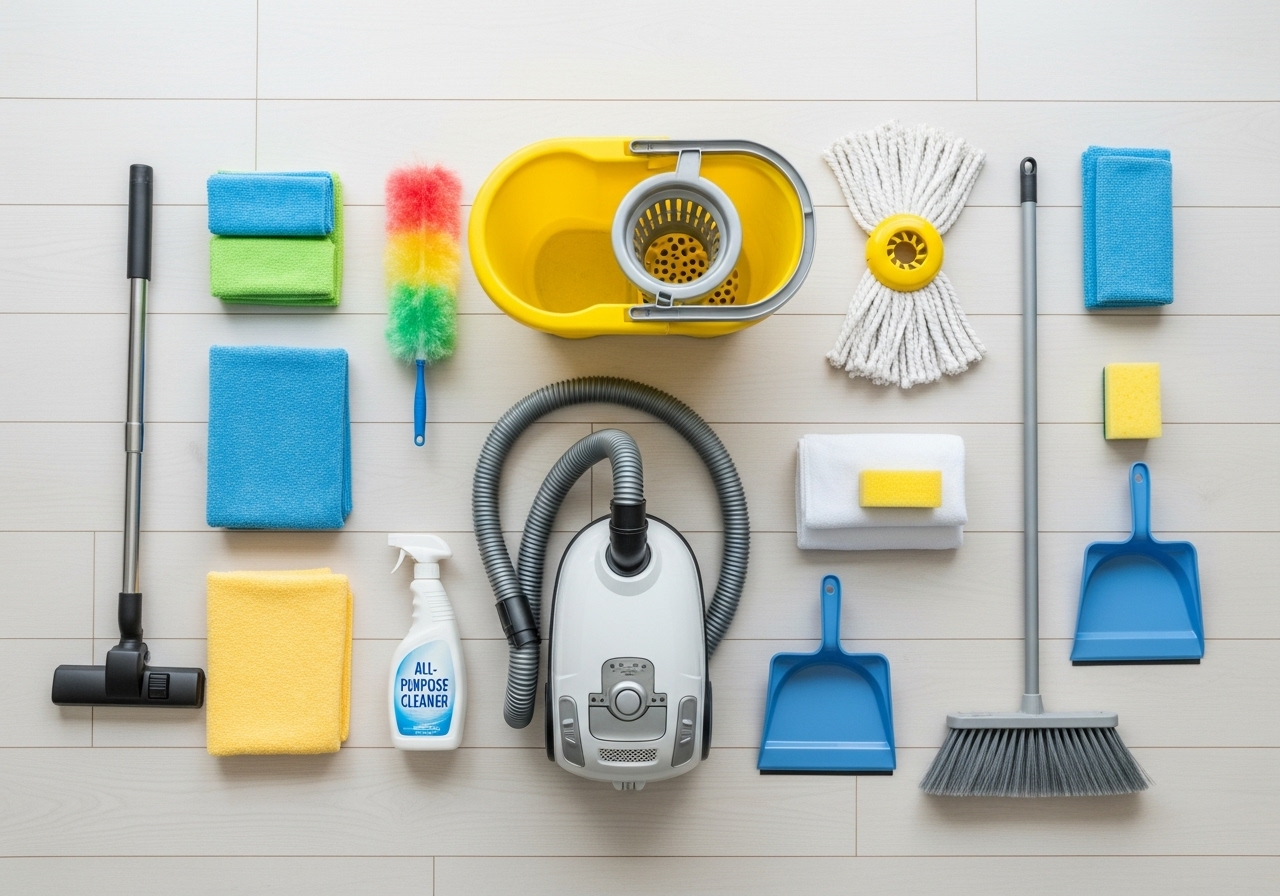
Essential tools & equipment every business should have
Choosing the right equipment speeds work, improves outcomes and reduces chemical usage. Match tools to surfaces and risk areas.
- Microfibre cloths (colour-coded for zones)
- HEPA-filter vacuum for carpets and dust control
- Commercial mop systems with wringer and microfibre heads
- Touchpoint disinfectant sprays & wipes (hospital-grade where required)
- Floor scrubber or auto-scrubber for large hard-floor areas
- High-reach window kit and extension poles
- Personal protective equipment (gloves, safety glasses, masks)
- Lockable chemical storage and spill kit
Tip: use colour coding (e.g., red for toilets, green for kitchens) to avoid cross-contamination.
Scheduling best practices — daily, weekly and periodic tasks
An effective schedule balances high-frequency tasks (daily) with deeper maintenance (weekly/monthly). Below is a practical breakdown you can adapt to your workplace.
Daily (high priority)
- - Empty bins and remove waste
- - Sanitize high-touch points (door handles, switches, lift buttons)
- - Clean and stock restrooms
- - Tidy public areas and wipe communal surfaces
Weekly (medium priority)
- - Vacuum and mop all floors thoroughly
- - Dust vents, ledges and blinds
- - Deep clean kitchens and staff rooms
- - Clean interior glass and meeting rooms
Monthly / Periodic
- - Carpet extraction & upholstery cleaning
- - Hard floor machine scrubbing and sealing
- - High-level dusting, light fittings and duct cleaning
- - Window washing (external)
Sample for small office (recommended)
Daily: communal surface sanitisation + rubbish removal. Weekly: full vacuum/mop and restock consumables. Monthly: carpet extraction.
Adjust frequency for retail, medical or industrial sites — high-traffic zones need more frequent attention.
Compliance & industry-specific tips
Different industries have different obligations. Below are practical compliance points for the most common commercial sectors.
Medical & healthcare
- - Use hospital-grade disinfectants and follow contact times on labels
- - Segregate and manage clinical waste per local health regulations
- - Keep cleaning logs and surface swab records where required
- - Ensure staff have infection-control training and PPE
Food-handling & hospitality
- - HACCP-compatible cleaning schedules and validated detergents
- - Clean & sanitise food contact surfaces after every shift
- - Maintain chemical SDS sheets on-site and provide staff training
Aged care & childcare
- - Use non-toxic, child- and resident-safe products where required
- - Maintain enhanced cleaning regimes during outbreaks
- - Keep records of cleaning and incident responses for audits
Industrial & warehouse
- - Follow WHS requirements for machinery cleaning and confined spaces
- - Manage slip risks with warning signage after wet cleaning
- - Use approved degreasers and ensure proper ventilation
Always consult relevant local regulations and industry codes — Superboss can provide site assessments and compliance-aligned plans.
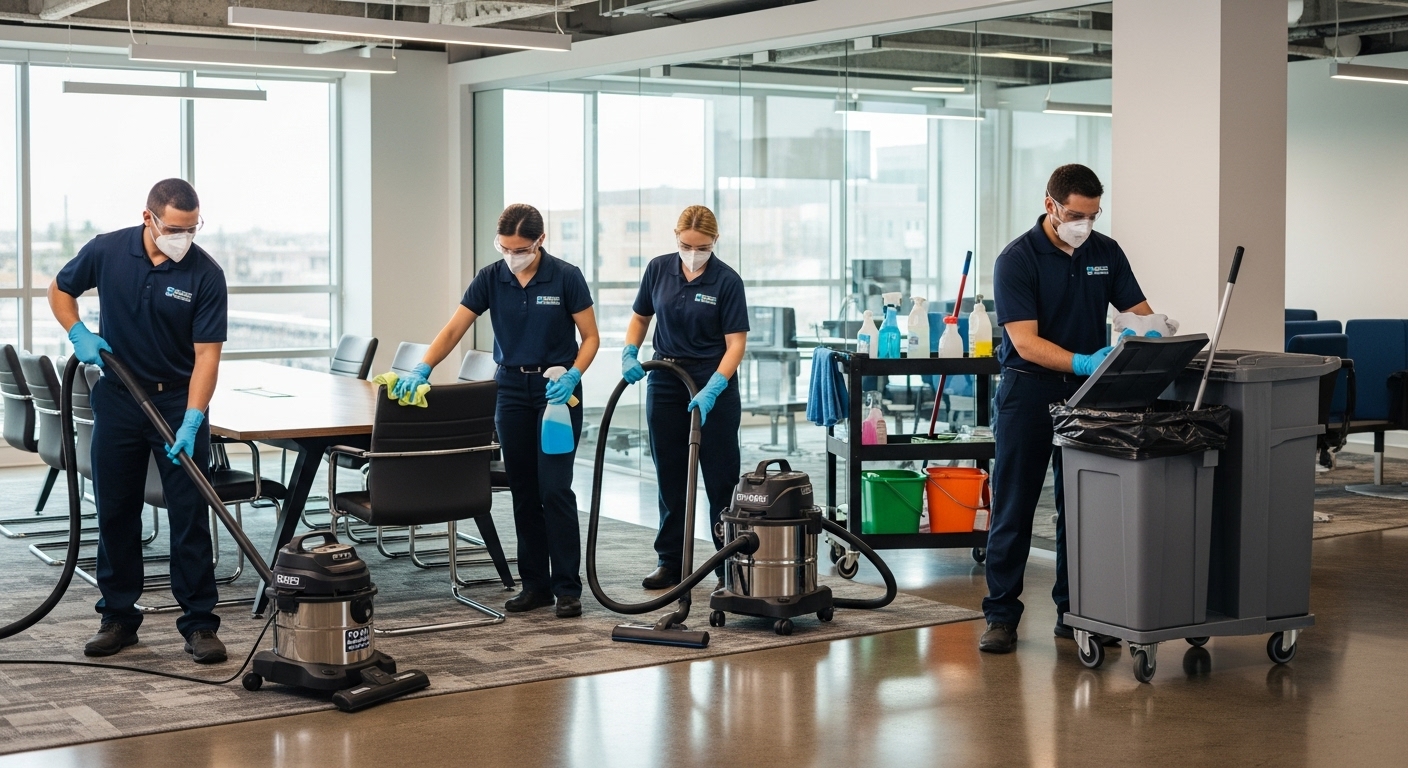
Practical outbreak & emergency cleaning tips
Have a documented emergency cleaning protocol: designate response team, isolate affected zones, follow disinfectant contact times and log actions. Superboss offers 24/7 emergency clean-ups for critical incidents.
Request Emergency SupportStaffing, training & safety
A competent team is the core of effective cleaning. Invest in training, clear SOPs and safety systems.
Recruitment
Police checks, reference checks and appropriate certifications for specialised roles (e.g., clinical cleaning).
Training
Provide induction, chemical safety (SDS), PPE use, cross-contamination prevention, and site-specific procedures.
Safety
Safe manual handling training, signage for wet floors, and regular incident reporting and review.
Quality assurance, KPIs & documentation
Good QA systems create consistency and make improvements simple to measure.
Practical KPIs
- Response time — average hours to attend a service request
- Completion rate — % of scheduled tasks completed
- Issue resolution — time to resolve client complaints
- Quality audits — pass rate from spot checks
Documentation
Maintain cleaning logs, chemical SDS, training records and incident reports. Use digital checklists and photos for faster audits and transparent client reporting.
Tip: timestamped photos on completion reduce disputes and demonstrate compliance.
Supplies management & sustainability
Control costs and improve environmental impact with smart procurement and reuse-friendly products.
Inventory best practice
- - Centralised stockroom with par levels
- - First-in, first-out (FIFO) for chemicals
- - Weekly stock takes and reorder triggers
Sustainability
- - Choose concentrated formulations & dosing systems
- - Microfibre reduces chemical use and improves efficiency
- - Refillable dispensers and reduced single-use plastics
Cost control
Track cost per cleaning hour and per site. Use scheduled preventative cleaning to avoid expensive restorative work later.
How to choose a cleaning partner — checklist
- Insurance: Confirm public liability coverage (Superboss: $25M).
- References & case studies: Ask for recent clients in your sector.
- Training & checks: Police checks and documented staff training.
- Quality systems: Digital logs, regular audits and KPIs.
- Flexibility: After-hours and emergency availability.
- Sustainability: Eco-friendly product options and waste reduction strategies.
Frequently asked questions — cleaning a business
How often should high-touch surfaces be disinfected?
High-touch surfaces (door handles, lift buttons, shared screens) should be sanitised at least daily in low-traffic offices and multiple times per day in high-traffic or clinical settings.
What should be included in a cleaning scope of work?
A clear scope outlines frequency, tasks by area, consumables, equipment, QA checks, escalation paths and pricing. Always map responsibilities (client vs. cleaner) for supplies and waste handling.
Can eco-friendly products be effective?
Yes — modern green-certified detergents and disinfectants are effective when used correctly and with appropriate contact times. Ask for third-party ecolabels and validation data.
What clients say
"Excellent service and fast response. The staff was friendly and respectful of my space and even cleaned areas I didn’t expect."
"Super Boss Cleaning did a fantastic job. The team was friendly, fast, and paid attention to every detail."
"Had them in for a quick clean before a party. The crew smashed it. Stains, dust, fingerprints — gone."
Ready to formalise your cleaning program?
Superboss Commercial Cleaning provides site assessments, compliance-aligned cleaning plans, and nationwide delivery. Get a tailored proposal that matches your hours, budget and industry requirements.
Superboss — 10+ years' experience, 500+ active commercial clients, fully insured and eco-conscious. We respond fast and stand behind our work with a satisfaction guarantee.
Category: Guides